

Learning how to buy cheap baby clothes helps parents save money while meeting their baby’s needs. Babies grow quickly, so shopping smart is important.
This guide shares tips to help you cut costs without sacrificing comfort. Follow these steps to build a budget-friendly baby wardrobe.
Understand What Your Baby Really Needs
New parents often overestimate the amount of clothing a baby requires. How to buy cheap baby clothes starts with avoiding unnecessary items and knowing what is essential.
You don't need a different outfit for every day; basics go a long way. Prioritize bodysuits, onesies, sleepers, and season-appropriate layers.
Choose sizes that allow room to grow, like going one size up for longer wear. Skip shoes for newborns and focus on comfort over style.
Shop at Budget-Friendly Retailers
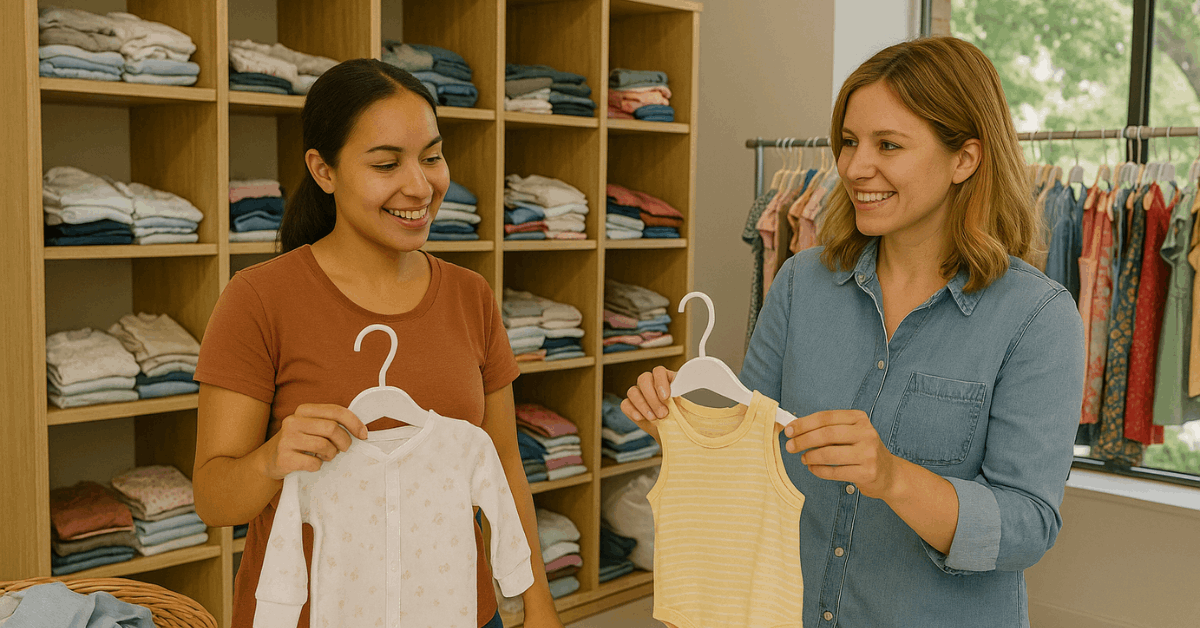
Retailers often offer high-quality baby clothing at low costs. Chain stores and supermarkets like Walmart, Target, and Uniqlo provide multipacks and regular discounts.
Online platforms like Amazon and SHEIN offer price comparisons and customer reviews. Utilize store loyalty programs to earn rewards.
Stick to essentials and avoid branded items that inflate costs. Always compare prices between platforms before purchasing.
Buy Secondhand Without Hesitation
Used baby clothes are a practical and eco-friendly option. Babies grow out of clothes fast, so many secondhand items are barely worn.
Local thrift stores and online marketplaces like Facebook Marketplace and eBay offer excellent deals. Check the condition, especially for zippers, buttons, and seams.
Sanitize everything before use with a baby-safe detergent. Avoid secondhand undergarments and socks for hygiene reasons.
Join or Start Baby Clothing Swaps
Swapping clothes is an easy way to cut baby clothing costs. It also encourages community sharing and reduces textile waste.
Community-Based Baby Swaps
Local parenting groups and community centers often host swap events. These swaps let you exchange clothes your child has outgrown for the sizes you need.
Participation is usually free or very low-cost. It's a budget-friendly and eco-conscious option.
Build connections while saving money. Attend regularly to maximize benefits.
How to Organize a Swap?
If no local events exist, you can organize one with neighbors or fellow parents. Set clear rules about cleanliness and acceptable condition.
Choose a public space like a park or a church hall for accessibility. Promote it via social media or local parent groups.
Ensure swaps are fair and safe. Keep a record of attendees.
Online Clothing Swap Platforms
Several online communities support baby clothing swaps. Facebook parenting groups and apps like Bunz help connect parents regionally.
Exchanges can be by mail or meet-up, depending on the group. Always verify user profiles and set clear trade terms. Use a trusted platform. Share photos for transparency.
Use Coupons, Cashback, and Reward Programs
Digital tools can significantly lower your baby's clothing costs when used consistently. These strategies help you find and combine deals for maximum savings.
Newsletter and Registry Offers
Sign up for baby store newsletters to receive exclusive discounts and early access to sales. Registries often offer welcome boxes and one-time use coupons.
These can be stacked with other offers for more savings. Check for ongoing promotions before completing any purchase.
Use reminder tools or folders to keep track of offers. Never miss an expiration date.
Cashback and Browser Extensions
Use platforms like Rakuten or TopCashback to earn money back on purchases. Install browser tools like Honey to find and apply the best coupon codes.
These tools work automatically at checkout for convenience. Track your cashback balance monthly.
Combine cashback with store rewards for double benefits. Stick to trusted extensions with high ratings.
Loyalty and Rewards Programs
Join store loyalty programs to earn points for every purchase. Redeem points for future discounts or store credit.
Some programs offer birthday gifts or member-only deals. Always scan your card or log in before shopping.
Compare rewards policies across different baby retailers. Stick with programs that offer real, frequent value.
Buy in Bundles and Multipacks
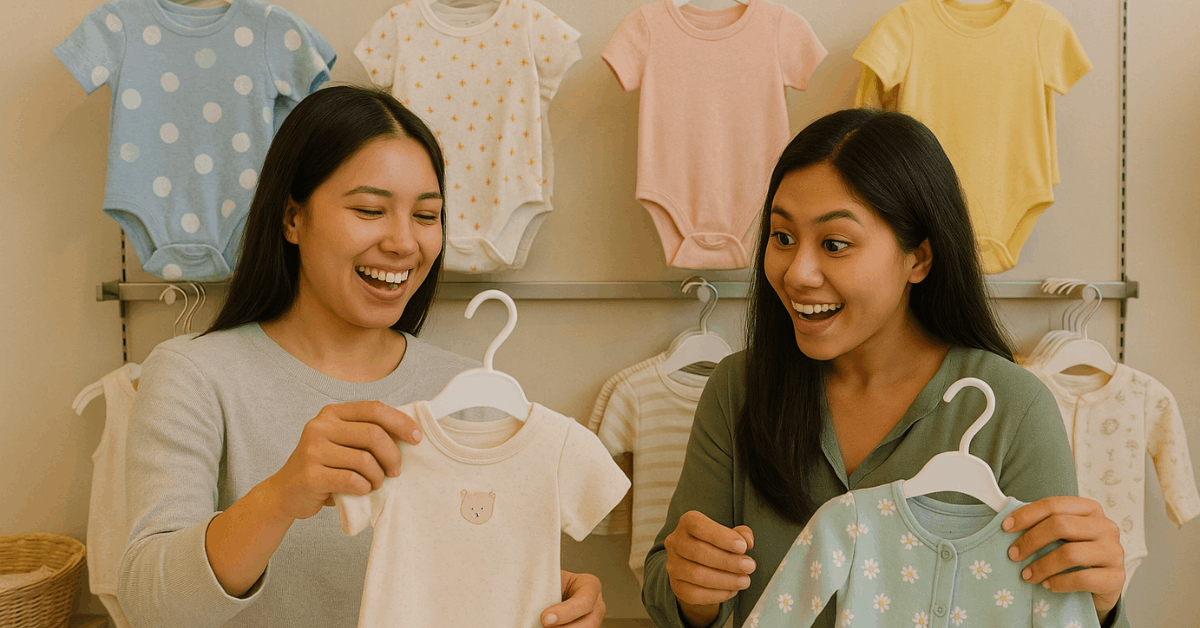
Buying in sets helps you lower per-item costs. Opt for multipacks of bodysuits, mittens, and socks.
Plain designs are cheaper and more versatile. Bundles often appear during store promotions or seasonal sales.
Stick with neutral colors that can be reused for future siblings. Always check the cost per item to confirm value.
Shop Off-Season for Bigger Discounts
Off-season shopping helps you prepare ahead and save more. Buy winter clothes during spring clearances and summer items in fall.
Estimate future sizes based on the baby’s growth pattern. Keep items in storage bins to protect them.
Watch for end-of-season sales at stores like Carter’s or Old Navy. Stick to timeless styles instead of trends.
Accept Hand-Me-Downs from Family and Friends
Hand-me-downs are a blessing for budget-conscious parents. Politely ask close relatives or friends for clothes their children have outgrown.
Sort items by size and season upon receipt. Thank the giver even if you don’t use all the clothes.
Wash everything thoroughly before use. Decline items that show heavy wear or stains.
Try Simple DIY or Alteration Projects
Basic sewing skills can extend the life of baby clothes. You can repurpose soft adult t-shirts into baby onesies.
Patch small holes and replace buttons to reuse worn clothing. Watch online tutorials for beginner-friendly baby sewing projects.
Keep a small repair kit handy. Only invest time in DIY if the outcome saves money.
Ignore Unnecessary Baby Fashion Trends
Trendy outfits are usually expensive and rarely practical. Babies don’t need fashion-forward clothes for daily wear.
Stick to functional and comfy basics. Marketing may push seasonal collections, but you can skip them.
Fancy outfits are best kept for gifts or photos. Save money by avoiding impulse fashion buys.
Stick to a Budget and Track Spending
Monitoring expenses helps you stay in control. Set a monthly budget for baby clothing needs.
Use spreadsheet apps or pen-and-paper tracking. Record what’s already available to avoid duplicates.
Hold off on buying too far ahead unless items are on sale. Review your budget quarterly to adjust for growth.
Watch Out for Hidden Extra Costs
Some baby clothes may come with hidden fees. Online shops might charge high shipping rates.
Be mindful of return fees for ill-fitting items. Always read return policies before checkout.
Choose durable clothing to avoid frequent replacement. Look for customer reviews that mention wear quality.
Final Tips and Mistakes to Avoid
Here are some practical reminders to finish your budget shopping strategy for baby clothes. These points will help you stay focused, avoid waste, and make smarter financial decisions:
- Avoid buying too many newborn-sized clothes—they're often outgrown within weeks.
- Stick to essential types like bodysuits and sleepers, not decorative-only items.
- Don’t fall for marketing bundles that include impractical or rarely used pieces.
- Avoid shopping emotionally or impulsively—buy only what your baby truly needs.
- Don’t ignore the resale value of quality baby brands, especially if you plan to sell or donate later.
- Always focus on function over quantity to ensure lasting value.
Conclusion: Save Smart, Dress Smart
Knowing how to buy cheap baby clothes helps you save money and reduce waste. Use secondhand shopping, budgeting, and cashback tools to lower costs.
Always buy what your baby truly needs, not what’s trendy. Share these tips with other parents for even more savings.