

The public service exam for IBGE is one of the most sought-after opportunities for candidates interested in data research and national statistics.
This selection process is part of the broader National Unified Exam initiative. IBGE plays a vital role in collecting and analyzing data that shapes public policies, making its positions highly relevant.
Knowing how to prepare effectively can increase your chances of qualifying for stable and well-compensated roles. This article explains how the exam works, outlines the available positions, details the required qualifications, provides compensation information, and offers the most effective study strategies.
Understanding the Public Service Exam for IBGE
The public service exam for IBGE integrates with the National Unified Exam, streamlining federal hiring processes.

This centralization allows candidates to compete for multiple roles through a single selection framework. For IBGE, this means a more standardized and transparent recruitment method.
It also increases the competition and raises the level of candidate preparedness across all positions.
Purpose of the Unified Exam Structure
The unified structure allows multiple institutions, including IBGE, to use a single selection framework for hiring.
This system promotes consistency, transparency, and efficiency in public administration.
For IBGE, it helps in attracting candidates who are well-prepared and committed to the institution’s mission. As a result, the process becomes more competitive and well-regulated.
IBGE’s Role in the Exam Process
IBGE offers both temporary and permanent roles; however, the unified exam primarily focuses on hiring permanent public servants.
The positions include research agents and analysts with different responsibilities and levels of complexity.
These roles directly support the institute’s efforts in producing reliable statistical data. Candidates must show technical understanding and strong analytical capacity.
Available Positions and Responsibilities at IBGE
IBGE includes roles at technical and strategic levels with duties that support research and data dissemination.
These roles require varying educational backgrounds and professional skills, which are tested during the selection process.
Each function plays a part in the integrity and reach of national statistical operations. Understanding what each position involves will help you choose the right path.
What a Research Agent Does
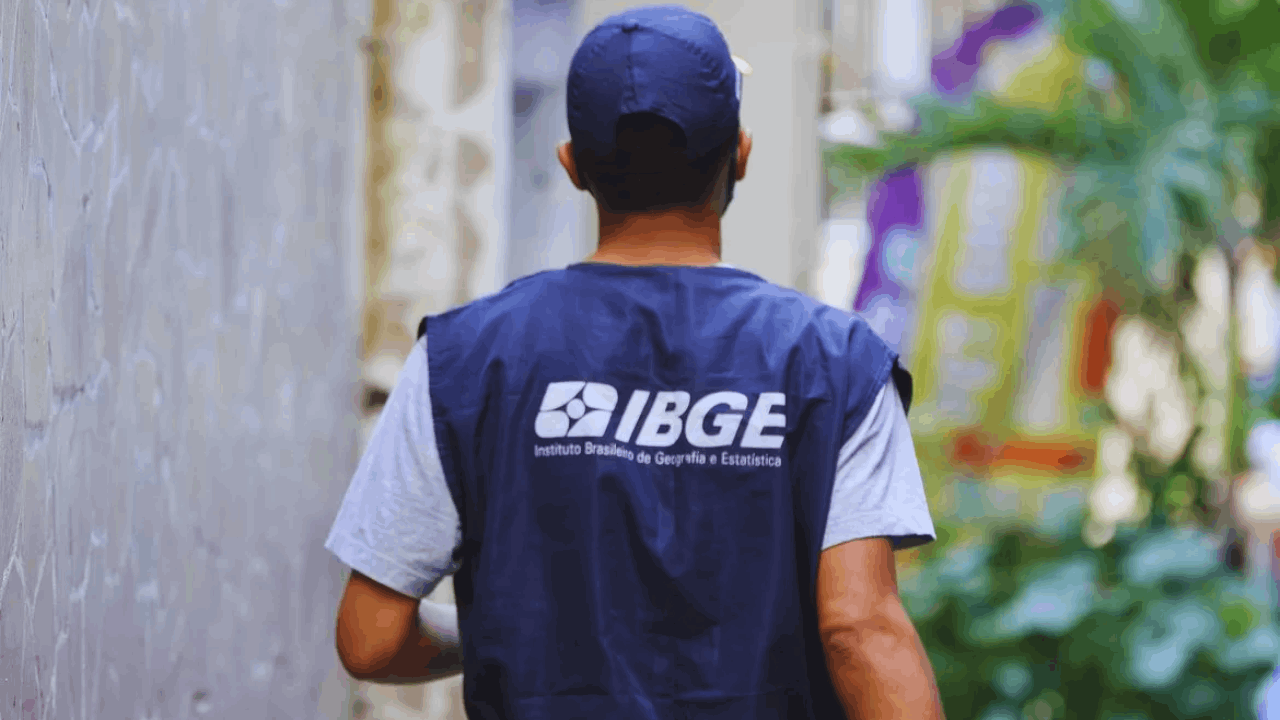
A research agent primarily works in field operations, conducting surveys and collecting data in various regions.
The tasks involve visiting households or institutions, administering questionnaires, and accurately recording information. This role requires attention to detail, strong interpersonal skills, and a basic familiarity with data recording tools.
Although the tasks may seem repetitive, they are essential for the institute’s large-scale projects.
Functions of a Planning and Research Analyst
An analyst handles more advanced tasks, such as designing methodologies, analyzing collected data, and preparing technical reports.
This role usually takes place in office settings and requires academic and technical preparation in areas like statistics, economics, and geography.
Analysts often collaborate with policymakers and other agencies. The position demands a high level of precision and analytical reasoning.
Eligibility Requirements for IBGE Candidates
You must meet academic, legal, and personal criteria to apply for IBGE positions through the exam.
These requirements are clearly listed in the official announcement and vary depending on the type of role.
Fulfilling them ensures that your application will be considered valid by the organizing committee. It’s important to check all criteria before investing time in preparation.
Basic Qualifications for Each Role
The research agent position typically requires a high school diploma or equivalent educational background.
For analyst roles, a university degree is mandatory, and specific degrees may be requested depending on the area of specialization.
All candidates must be Brazilian citizens or meet the legal residency requirements. Having no criminal record and being up to date with electoral and military duties is also necessary.
Other Criteria You Should Be Aware Of
Besides academic and legal qualifications, IBGE may require proof of physical and mental fitness.
Certain roles, especially field positions, demand mobility and the ability to work in different geographic conditions.
Candidates should check the official announcement for job-specific criteria. Meeting all requirements is essential for admission to the exam and later stages of the selection.
Exam Format and Content Overview
The structure of the IBGE exam depends on the role, but typically includes general and specific knowledge sections.

The test is designed to evaluate your ability to work with information and solve problems relevant to the job.
Knowing the format will help you focus your study sessions more effectively. Understanding how scoring works also helps you aim for higher performance.
What the Test Usually Covers
The written exam includes Portuguese language, quantitative reasoning, basic computer skills, and current affairs.
For analyst positions, there are also technical questions related to the chosen field.
The format often includes multiple-choice questions, but essay questions may also appear. The level of complexity varies depending on the role's required education.
How Scoring and Ranking Are Determined
Scores are weighted according to the subject area’s relevance to the position. Technical knowledge sections tend to have a higher value than general knowledge for analyst roles.
To be ranked, candidates must reach a minimum score threshold. Final rankings also consider tie-breaking criteria defined in the exam announcement.
How to Apply for the IBGE Public Service Exam
Application procedures follow a standardized online registration process through official platforms.

This step is critical, and missing deadlines or failing to provide the correct documents can result in disqualification.
Read the full announcement carefully before proceeding. Accurate registration helps ensure your place in the competition.
Where and When to Register
You need to access the official portal of the organizing institution managing the National Unified Exam.
The application form must be completed and submitted during the designated registration window.
Required documents, such as identification and educational certificates, must be uploaded or presented according to the announcement. Pay attention to deadlines to avoid disqualification.
Fees and Exemption Policies
A fee is charged for the application, and its amount varies based on the position level. You may qualify for a fee exemption if you meet certain socioeconomic conditions.
Guidelines for requesting an exemption are clearly described in the announcement. Following them strictly is essential to ensure your request is accepted.
Compensation and Benefits for IBGE Employees
IBGE offers competitive salaries along with job stability and career growth opportunities.

These benefits make public service careers particularly attractive. Knowing the compensation in advance helps you plan for long-term stability.
You should also consider the work environment and internal progression options.
Base Salary and Additional Payments
Research agents typically receive a starting salary in line with other high school-level federal positions.
Analysts receive higher compensation, reflecting the complexity and responsibilities of the job.
Besides base pay, employees may receive performance bonuses, food assistance, and transportation allowances. Exact amounts are outlined in the official hiring documentation.
Work Environment and Job Security
Working for IBGE ensures long-term stability, consistent income, and access to federal career progression.
Employees enjoy regulated working hours, vacation benefits, and retirement plans. For many candidates, these factors make IBGE an attractive employer. It is also known for maintaining a structured and respectful work culture.
Effective Preparation Strategies for the IBGE Exam
Proper preparation increases your chances of passing and securing a position. A study plan built around the exam content is your best tool.

Time management and topic prioritization are essential. You also need to stay consistent throughout your preparation period.
Building a Focused Study Plan
Begin by thoroughly reviewing the exam announcement to identify all subjects and competencies.
Based on this, set a daily study schedule that covers each area with balanced time allocation.
Reserve more time for technical subjects if you are applying for analyst positions. Consistent review and simulation exams are essential to reinforce your knowledge.
Best Study Materials to Use
The most reliable materials include past exam questions, official syllabi, and books aligned with IBGE's test requirements.
Video lessons and online courses can also support your preparation, especially for complex topics.
Make sure the content is current and matches the exam version you’re taking. Practice with real questions helps you understand the format and time constraints.
Tips to Improve Your Performance
Small adjustments can help boost your readiness and performance on test day. These tips are based on what has worked for other successful candidates.

Apply them early in your preparation phase. They can help you stay organized and avoid common mistakes.
Stay Informed and Practice Regularly
Following current events and news can enhance your performance in the general knowledge section.
Keeping a notebook of key facts or summaries can make review sessions more efficient. Regular practice exams under timed conditions help improve speed and reduce anxiety.
Review your incorrect answers to understand your weak areas and adjust your study plan accordingly.
Prioritize Mental and Physical Wellbeing
Your mental clarity and stamina will impact your test results. Get adequate rest, eat well, and avoid studying too much the night before the test.
On exam day, arrive early and bring the required documents and materials. A calm and focused mindset helps you manage time and apply your knowledge effectively.
Conclusion
The public service exam for IBGE is your entryway into a professional environment built on data, research, and national impact.
Whether you aim to become a research agent or a planning and research analyst, preparation must be deliberate and goal-oriented.