

The public service exam PRF offers candidates the opportunity to enter one of Brazil’s most recognized federal law enforcement careers.
The Polícia Rodoviária Federal, or Federal Highway Police, operates under the Ministry of Justice and is tasked with ensuring the safety and legal compliance of traffic on federal roads.
This article presents a full guide to the PRF selection process. You'll learn about the agency's function, the structure of its recruitment exam, application steps, eligibility conditions, and how to prepare for each stage of the process.

Understanding the Role of the Polícia Rodoviária Federal
The PRF is responsible for maintaining safety and compliance across Brazil’s extensive federal road network.

The agency assists in accidents, combats organized crime, and ensures that transport laws are respected. With a presence in every state, PRF officers work both independently and in collaboration with other law enforcement bodies.
Their work goes far beyond traffic fines or road inspections. Officers are involved in intelligence operations, drug interdiction, environmental protection, and support during natural disasters.
Because of this range of responsibilities, the role requires technical knowledge, physical readiness, and a strong ethical foundation.
National Security Through Road Enforcement
The PRF’s presence on highways strengthens national security by monitoring vehicle movement and detecting irregularities.
Officers check cargo, review documentation, and act quickly in emergencies. Their daily operations reduce risk for both private citizens and commercial transport.
As a federal agency, the PRF follows protocols established by national legislation. This gives its officers legal authority across the country, requiring them to act with professionalism and discipline at all times.
How the PRF Exam is Structured
The public service exam PRF is known for being comprehensive, with multiple phases designed to assess a candidate’s suitability for the job.
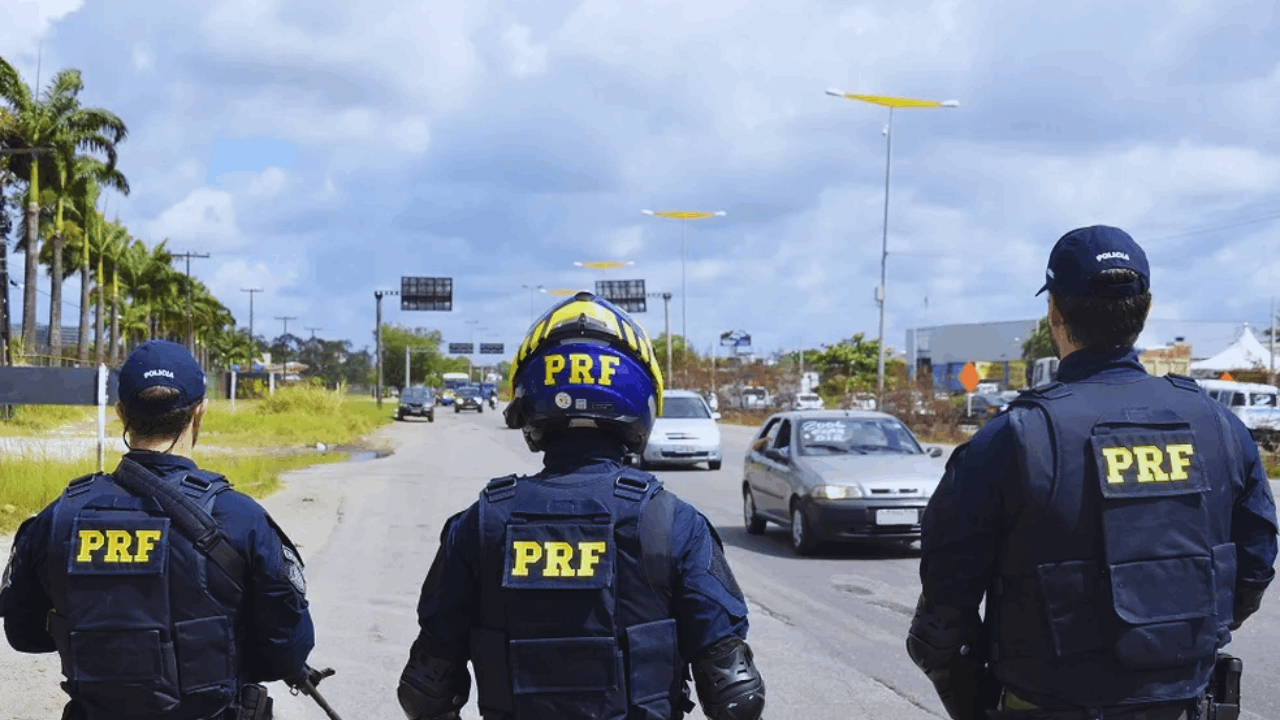
The process includes both intellectual and physical testing, medical and psychological screening, and document verification. Organized by official examining boards, the exam follows clear rules outlined in the public notice.
Each phase is eliminatory, meaning that failing one stage disqualifies the candidate from proceeding.
It is essential to understand the scope of each phase and prepare accordingly. From the initial written test to the final background check, attention to detail is required throughout.
From Theory to Practice: Multi-Phase Evaluation
The written portion tests the candidate’s understanding of core subjects, including Portuguese, traffic legislation, criminal law, and institutional knowledge. Logical reasoning and ethics also appear in the exam.
The style of questions will depend on the contracted exam board, which is usually announced in advance.
Physical evaluations occur after the written phase and test your agility, strength, and endurance. These activities are scored based on fixed criteria and vary depending on gender and age group.
Positions Available and Career Opportunities
Once selected, all PRF candidates begin as Federal Highway Police Officers. The agency does not offer multiple job tracks during recruitment, but advancement opportunities arise later through internal processes.

After completing the mandatory training academy, candidates are assigned to units across the country.
Career progression is based on time in service, merit, and ongoing training. With dedication and excellent performance, officers can move into command roles or technical departments.
There is also the possibility of joining special operations teams after gaining sufficient experience.
Initial Responsibilities for New Officers
New officers carry out tasks such as patrolling federal highways, attending to emergencies, and inspecting vehicles. They also write incident reports and operate information systems used for law enforcement.
These functions require a mix of legal knowledge, field skills, and the ability to communicate clearly.
During the early stages of their careers, officers work under supervision and follow predefined operational protocols. This ensures that all actions align with national safety standards and agency procedures.
Growth Within the Institution
With time, officers can apply for internal selection to fill strategic or specialized posts.
There are opportunities to work in border control, cargo inspection, environmental protection, or tactical units. Each area has its own entry criteria, often requiring additional training.
The PRF also supports academic development through scholarships and internal programs. Staff members who pursue further education may qualify for advanced responsibilities and salary adjustments.
Who Can Apply to the PRF Exam
To compete in the PRF exam, candidates must fulfill several conditions listed in the official public notice.

These include academic background, legal standing, physical aptitude, and professional conduct. Applicants must confirm they meet all requirements before registering.
Fulfilling these conditions is not optional. The agency performs strict verifications to ensure that only eligible individuals proceed. Failure to meet any of the conditions will result in automatic disqualification from the process.
Educational and Legal Conditions
To apply, you must hold a bachelor’s degree in any field recognized by the Ministry of Education. Additionally, a valid National Driver’s License at category B or higher is required.
Proof of academic completion and license validity must be provided during the application or verification stage.
The applicant must also be a Brazilian citizen, be up to date with electoral duties, and have completed mandatory military service if male. Any pending legal issues or sanctions against public service eligibility will prevent admission.
Medical, Psychological, and Physical Fitness
Medical examinations verify that the candidate is in good health to perform the physical tasks required by the position.
Tests cover cardiovascular health, mobility, vision, and hearing. Candidates must also pass psychological evaluations to determine emotional resilience and behavioral stability.
The physical test evaluates strength, endurance, and coordination. All metrics are defined in the announcement and must be met without exception. Preparing ahead of time is necessary to avoid being excluded at this phase.
How to Apply for the PRF Exam
The application process is entirely online and follows a defined calendar.

The official examining board provides the registration link, where candidates must create an account and submit their personal and academic information. Registration is only valid after the fee payment is confirmed.
The announcement will include information such as application deadlines, fee amounts, exam locations, and key dates.
Candidates must read all details carefully to avoid mistakes that could compromise their application status.
Registration Steps and Document Uploads
Once on the registration platform, you must select your preferred exam location and confirm the position you are applying for.
The system will request uploads of required documents such as ID, degree certificate, and driving license.
After the form is completed, the candidate must generate the payment slip and complete the transaction by the deadline. Keep proof of registration and payment in case of any technical issues or later disputes.
Following the Timeline and Official Updates
The organizing board will release future instructions regarding test locations, materials allowed on exam day, and evaluation results.
Candidates are responsible for checking the portal regularly. No printed notices are sent by mail.
Failing to attend a test stage or submitting incorrect documentation leads to immediate exclusion from the process. Carefully reading the instructions and tracking all communication is vital.
Effective Preparation for the PRF Exam
Preparation must be both academic and physical. Since the selection process includes diverse evaluations, candidates should divide their time between theoretical study and exercise.

Many begin preparation six months to one year before the exam.
Regular review, official materials, and mock tests are essential tools. Discipline and consistency are more effective than short bursts of intense study.
It is also useful to follow updates from previous exam editions and the organizing board’s style.
Study Plan for the Written Exam
Focus first on high-weight subjects such as traffic law, constitutional law, and Portuguese. Logical reasoning and ethics should also be studied in depth.
Candidates should practice using materials aligned with the exam format of recent PRF announcements.
Simulated exams help manage time and develop familiarity with question phrasing. Reviewing answer explanations builds understanding and improves recall for test day.
Training Strategy for Physical Readiness
Developing physical fitness should begin early, with routines tailored to the test requirements.
Running, core strength, and flexibility should be part of your weekly training plan. Progress should be monitored, and professional guidance is recommended when possible.
You must also focus on recovery, sleep, and hydration. Physical endurance plays a key role in performance, and injuries caused by poor preparation can disqualify otherwise strong candidates.
Conclusion
The public service exam PRF is a challenging but rewarding path into a career that combines law enforcement, public safety, and national service. As part of the Policia Rodoviária Federal, you will take on responsibilities that protect lives and uphold federal regulations every day.
To succeed, you need to study with intention, train consistently, and follow all administrative steps with attention to detail. If you are ready to commit, this exam can open the door to a future built on purpose, impact, and professional growth.