

If you’re serious about fitness or sports performance, you’ve likely heard of creatine. This popular supplement is known for enhancing strength, recovery, and muscle mass. But not all creatine products are created equal.
Knowing how to know if your creatine is real is essential to avoid wasting money, time, or risking your health. Unfortunately, counterfeit or low-quality supplements are common in the market and difficult to spot without the right knowledge.
In this article, you’ll learn what creatine actually is, what it does for your body, how to identify authentic products, where to find reliable sources, how to purchase safely, and which creatine brands are worth considering.
Understanding What Creatine Is and How It Works
Before you check if your creatine is real, it’s important to understand what this supplement is and why people use it.
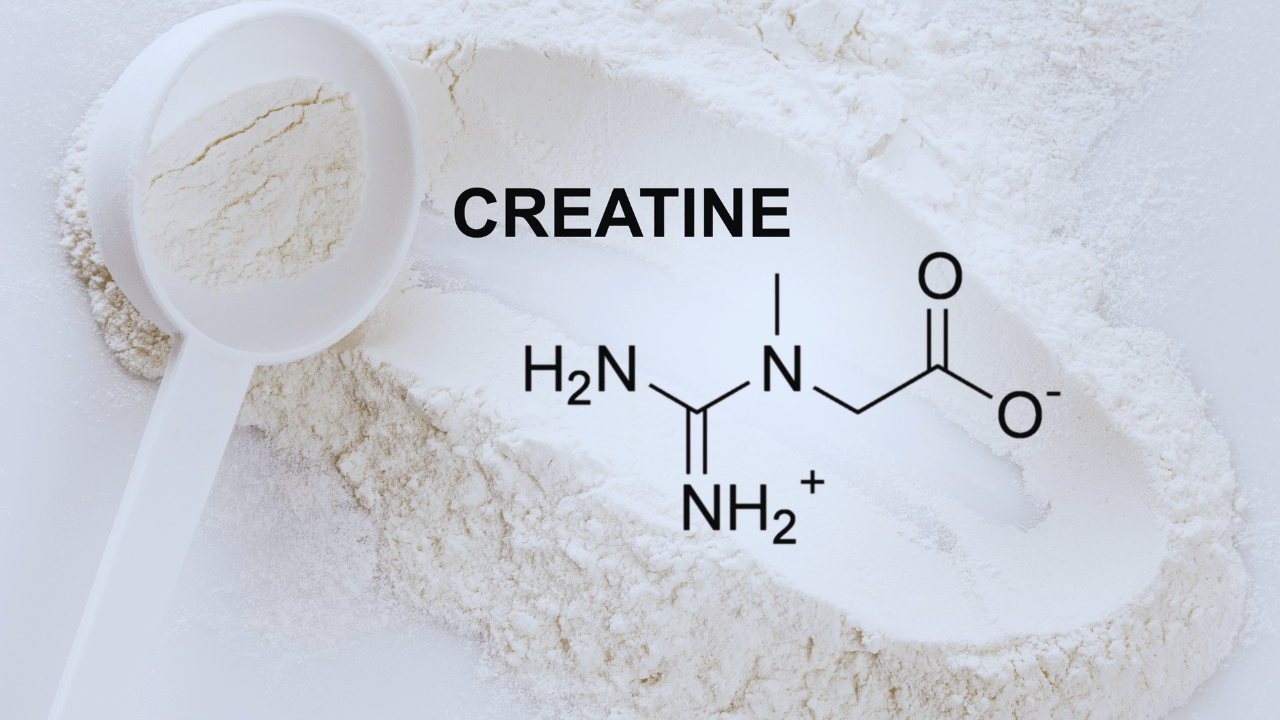
Creatine is a naturally occurring compound found in the body and in foods like red meat and fish. It plays a role in producing cellular energy, especially during high-intensity activities such as lifting weights or sprinting.
Creatine works by increasing the availability of ATP, the molecule your body uses for energy. This means you can perform more reps, recover faster between sets, and maintain higher training intensity.
Most users report improved strength, better endurance in short bursts, and noticeable muscle volume increase over time.
Why Creatine Became a Trusted Supplement
Among all sports supplements, creatine has the most scientific backing. Dozens of studies confirm its safety and effectiveness in both athletes and regular gym-goers.
It’s often recommended for those focused on strength gains, body recomposition, or athletic performance. Unlike stimulants, creatine does not depend on timing or immediate effect.
Because it helps the body recover and perform better, creatine is used in both cutting and bulking cycles. It also supports brain function and may help with cognitive performance, according to recent studies.
How to Know if Your Creatine Is Real
Knowing how to know if your creatine is real involves more than just checking the label. Many fake or poorly made products use fillers, cheap substitutes, or even contaminated ingredients.
Spotting an authentic supplement requires examining texture, smell, packaging, and sourcing information.
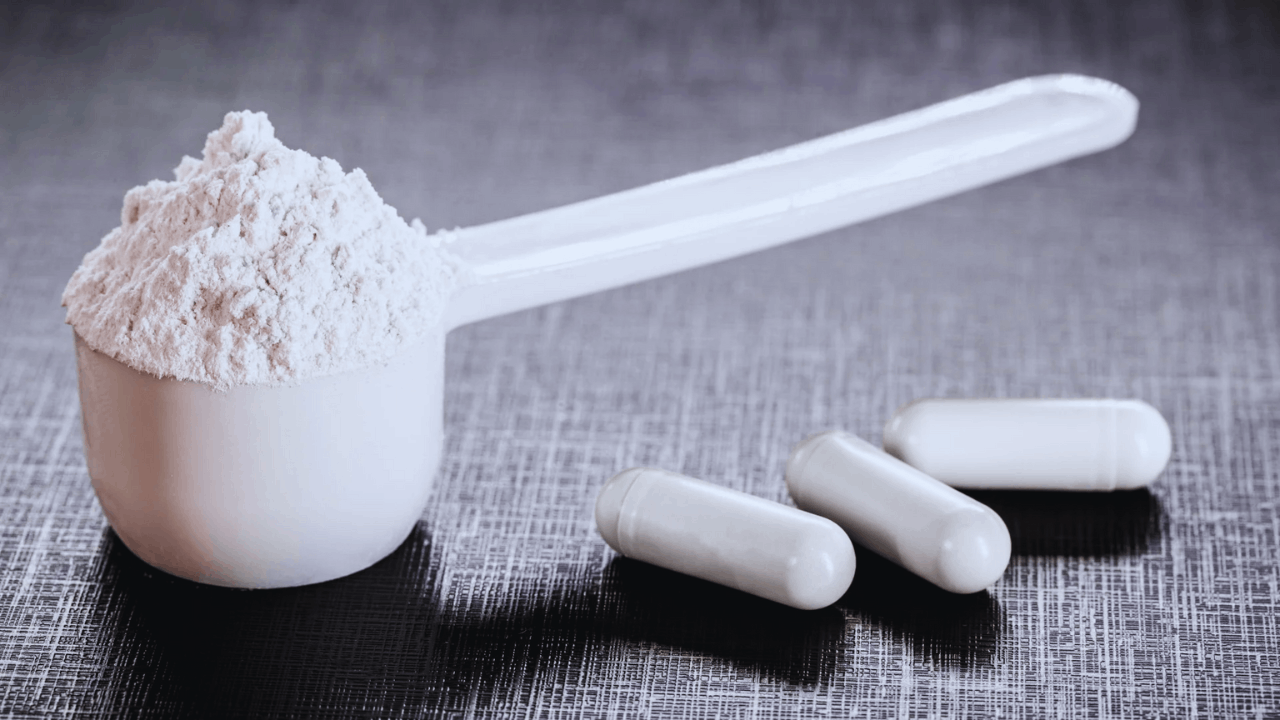
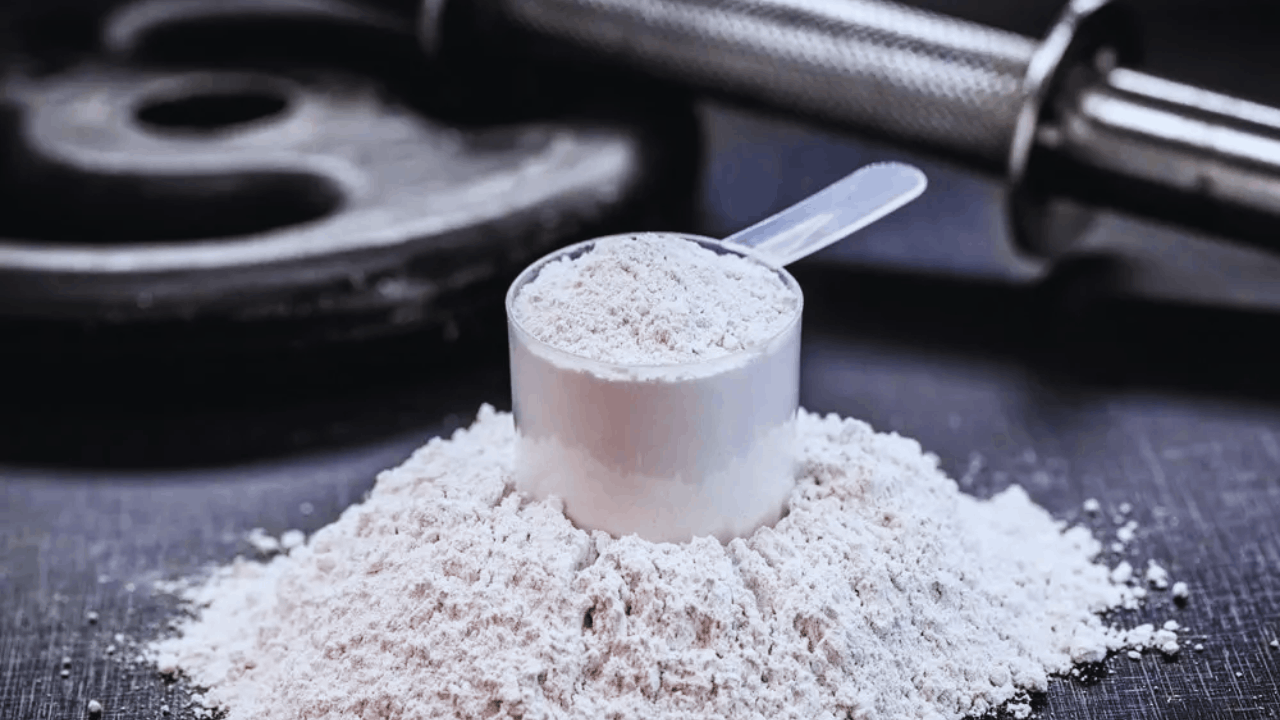
Real creatine monohydrate is odorless, tasteless, and has a very fine powder texture. Anything that clumps excessively, smells strange, or has an unusual color may be suspicious.
But the most important indicator comes from the brand's transparency and third-party testing.
Signs of Authentic Creatine Products
When evaluating your creatine, look for brands that provide lab certifications or QR code access to test results. Packaging should include batch numbers, expiration dates, and country of origin.
Most genuine products are manufactured in certified facilities and will list ingredients clearly with no blends or proprietary labels.
If the product dissolves easily in water and leaves little residue, it’s usually a good sign. Consistent texture and neutral taste also indicate a purer formula. Any variation in color or gritty texture could mean contamination or adulteration.
Where You Should Buy Your Creatine
Where you get your creatine is just as important as the product itself. Buying from unreliable vendors increases the risk of receiving counterfeit or expired items.
Local supplement shops, verified online retailers, and authorized distributors offer safer options with better return policies.
Online marketplaces can be convenient, but it's essential to verify that the seller is legitimate and that the product hasn’t been tampered with.
The best retailers provide tracking information, clear product photos, and customer reviews that help verify product authenticity.
Safe Shopping Environments and Trustworthy Retailers
Always choose platforms or stores that provide receipts, official packaging, and contact information. Stores that specialize in sports nutrition tend to work directly with manufacturers and often provide direct sourcing information.
If buying online, check if the website offers return options or authentication codes. Many of the most trusted retailers will offer brand-specific guarantees or freshness policies.
These safeguards reduce the chance of receiving expired or repackaged products. Choosing a reliable seller is your first defense against supplement fraud.
How to Safely Choose and Buy Creatine
Getting a high-quality creatine supplement starts with understanding product labels and avoiding overly marketed gimmicks.

The simplest and most studied form is creatine monohydrate. Other forms, like creatine hydrochloride or buffered creatine, may be marketed heavily but lack long-term research.
Stick with known certifications and avoid flashy claims. Supplements that promise instant muscle gains or miracle results are often misleading.
Your goal should be to find a simple, tested, and verifiable source of creatine that meets your training needs.
What to Look for Before Purchasing
Look for terms like micronized creatine monohydrate on the label. This format dissolves better and is easier to absorb.
Avoid products that mix creatine with sugars, artificial colors, or hidden ingredients. If the ingredient list is long or confusing, it may be hiding fillers.
Price alone shouldn’t be your guide. Cheap creatine can be underdosed or produced in countries with minimal quality control. Choose quality over quantity and check for consistent branding and official websites linked to the product.
Best Creatine Brands to Consider Right Now
With dozens of options available, choosing a creatine brand can be overwhelming.
But a few companies have stood out over the years by consistently providing reliable, lab-tested products.
These brands have loyal user bases and are known for using transparent formulas and certified production processes.
Many athletes and trainers trust these companies because of their history and reputation in the supplement market. You do not need a fancy formula to get results. Pure, simple creatine from trusted sources remains the best option for most users.
What Sets the Top Brands Apart
Top brands publish third-party test results, use pharmaceutical-grade ingredients, and offer consistent batch quality.
Some of the most recommended options include Creatine Monohydrate by Optimum Nutrition, Creapure-based products, and creatine from Transparent Labs. These companies offer clear dosing instructions and easy-to-use packaging.
They avoid proprietary blends and make it easy to trace product origins. Choosing one of these ensures you are using a real supplement, not a substitute. Trusted brands also provide detailed customer support and clear instructions for use.
How to Use Creatine Correctly and Get Results
Once you know your creatine is real, proper usage is key to maximizing its benefits.
While some people choose to start with a loading phase, others prefer a consistent daily dose. Both methods can be effective depending on your training style and personal preferences.
Most athletes use between three and five grams per day. Timing is flexible, though it’s often taken with post-workout meals to aid in absorption. Consistency matters more than timing, so focus on daily intake over perfect scheduling.
Maximizing Performance with Simple Habits
To get the most from your creatine, drink plenty of water throughout the day. Creatine helps retain water in muscles, so hydration supports the supplement's function.
Avoid skipping doses and try to pair your intake with carbohydrates or protein to support delivery to your muscles. Monitor your progress by tracking strength, endurance, and weight over time.
With proper use, you’ll notice improvements in your training output and recovery speed. Real creatine shows results over weeks, not days, so patience and routine are essential.
Conclusion
Understanding how to know if your creatine is real gives you more control over your health and fitness journey. Authentic supplements help you train harder, recover faster, and see better long-term progress.
Choosing the right product means checking for quality, buying from reliable retailers, and avoiding flashy marketing that promises too much.